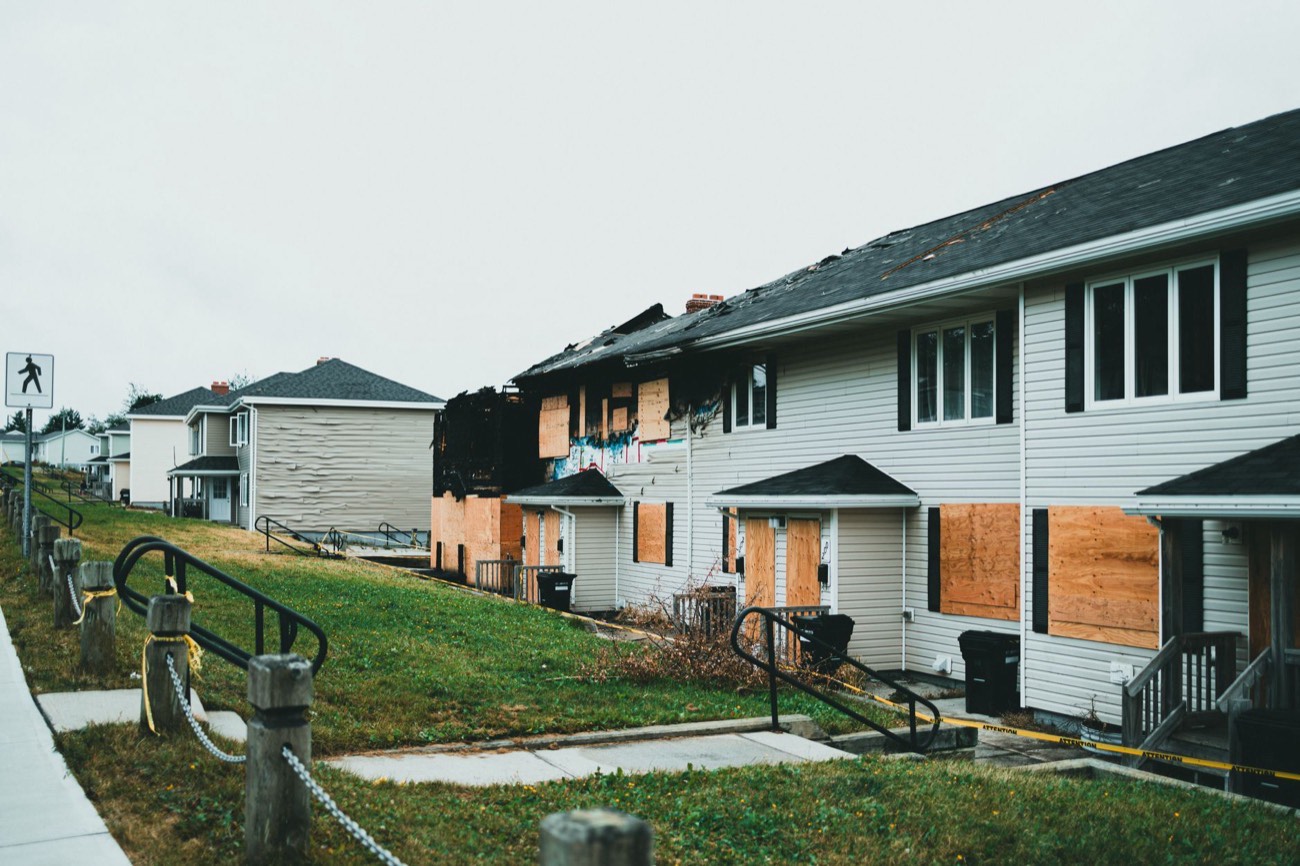
Homeowners insurance usually covers roof damage caused by a sudden, accidental peril — wind, hail, a fallen tree — but not damage from age, wear-and-tear, or poor maintenance. That distinction is where most roof claims are won or lost. Even when the cause is covered, how much you get paid hinges on whether your policy pays replacement cost value (RCV) or actual cash value (ACV): an ACV policy subtracts depreciation for your roof’s age, which can dramatically shrink the check on an older roof. The two most common denials are “wear-and-tear” and “the damage is below your deductible.” Documenting the storm, the date, and the damage before it’s altered is your strongest defense.
What roof damage is typically covered?
Most homeowners policies are open-peril on the dwelling and cover roof damage from sudden, accidental events, such as:
- Wind — shingles lifted, torn, or blown off in a storm.
- Hail — bruising, cracking, or granule loss.
- Falling objects — a tree or large limb through the roof.
- Fire, lightning, and explosion.
- Weight of ice or snow in some regions.
What insurers generally exclude is damage they attribute to the homeowner rather than a covered peril:
- Age and normal wear-and-tear — shingles that simply reached the end of their life.
- Lack of maintenance / neglect — small leaks left unaddressed until they became large ones.
- Manufacturing or installation defects.
- Gradual deterioration, rot, or pest damage.
According to the Texas Department of Insurance, the most common reasons a home claim is denied include an excluded peril, wear-and-tear or poor maintenance, damage below the deductible, insufficient documentation, and missing the notice deadline. Roof claims run into nearly all of these.
Why age and wear-and-tear get roof claims denied
Roofs are the single most disputed part of a home claim because they age visibly. An insurer’s adjuster looking at a 22-year-old asphalt roof after a wind event has a plausible argument that the shingles failed from deterioration, not the storm — and deterioration is excluded.
To protect yourself:
- Document the date and the weather event. Save the storm date; local weather records can corroborate wind or hail.
- Photograph before and after. If you have older photos of an intact roof, they help prove the damage is new.
- Get an independent inspection. A licensed roofer’s report distinguishing storm damage from age carries weight.
- Don’t wait. Delay lets the insurer argue you allowed a small problem to worsen (neglect) — and you may miss your policy’s notice deadline.
For a step-by-step on capturing evidence that holds up, see how to document home damage.
ACV vs. RCV on roofs: the payout difference
Even when your roof loss is covered, the settlement basis decides the size of the check. This is the single most important number on a roof claim.
- Replacement Cost Value (RCV): pays to replace the roof with like kind and quality, without subtracting depreciation, up to your policy limits. You typically get an initial ACV payment, then the withheld depreciation (the “recoverable depreciation,” or second check) after the work is completed and you submit proof.
- Actual Cash Value (ACV): pays RCV minus depreciation for the roof’s age and condition — a smaller, one-time amount. On an old roof, depreciation can be a large share of the cost.
The formula is simply: ACV = RCV − depreciation.
| Factor | RCV policy | ACV policy |
|---|---|---|
| Depreciation subtracted? | No (held back, then recoverable) | Yes, permanently |
| Payout on an old roof | Higher | Lower |
| Premium | Higher | Lower |
| Second “depreciation” check after repair | Yes, on proof of completion | No |
| Best for | Homeowners wanting full rebuild funding | Budget premium, accepts lower payout |
A concrete example: say replacing your roof costs $15,000 and the roof is halfway through its life. An RCV policy pays the full $15,000 (as an initial ACV check plus recoverable depreciation once you finish). An ACV policy might subtract, say, 50% depreciation and pay roughly $7,500 total — and you cover the rest.
Some insurers also apply a roof surface payment schedule that pays older roofs on an ACV basis regardless of your general settlement type. Read your declarations page for any roof-specific endorsement.
To go deeper on how depreciation is calculated and recovered, read the full breakdown of actual cash value vs. replacement cost.
Steps to file a strong roof claim
- Ensure safety and prevent further damage. Tarp active leaks — insurers expect you to mitigate, and reasonable mitigation costs are often reimbursable. Keep receipts.
- Document everything before repairs: photos, video, the storm date, and a roofer’s inspection report.
- Review your policy for the peril, deductible (some are a percentage for wind/hail), settlement basis, and notice deadline.
- File promptly and get the claim number in writing.
- Meet the insurer’s adjuster with your own inspection in hand so both walk the roof together.
- Compare the estimate to your roofer’s. If they diverge sharply, that’s your negotiation point.
When your roof claim is underpaid or denied
If the insurer’s offer seems far below the real cost, or they deny on wear-and-tear you dispute:
- Get the denial in writing with the exact policy clause.
- Invoke the appraisal clause if your policy has one — an independent process to resolve valuation disputes.
- File a complaint with your state Department of Insurance if you believe the handling was improper.
- Consider a professional. For a dispute over the amount, a public adjuster documents and negotiates on your behalf — see public adjuster vs. attorney to understand which one fits your situation, or read what a public adjuster does first.
- If it’s a wrongful denial or bad faith, that’s a legal dispute — an insurance attorney, not an adjuster, is the right call.
Roof claims are worth getting right because the numbers are large. Know your settlement basis before the storm, document aggressively, and don’t accept “it’s just old” without the insurer citing the specific clause.