A suddenly burst pipe and the water damage it causes are usually covered by standard homeowners insurance — but slow leaks, neglect, and mold are not. The dividing line is “sudden and accidental.” A pipe that ruptures overnight and floods your kitchen is a classic covered loss. A pipe that seeped behind a wall for months, or damage from plumbing you knew was failing and didn’t fix, gets denied as gradual damage or neglect. Freezing adds another wrinkle: freeze-burst damage is often covered only if you kept the home reasonably heated. And sewer or drain backups usually need a separate endorsement. Knowing these pitfalls before you file is the difference between a paid claim and a denial. Here’s the full picture.
What’s covered vs. what isn’t
Water claims are where insurers scrutinize the “sudden vs. gradual” question hardest, because water damage is common and expensive.
| Scenario | Typically covered? | Why |
|---|---|---|
| Pipe bursts suddenly, floods the room | Yes | Sudden and accidental |
| Frozen pipe bursts (home was heated) | Usually yes | Sudden, with reasonable care taken |
| Frozen pipe bursts (home unoccupied, no heat) | Often no | Freeze exclusion for lack of care |
| Slow leak behind a wall over months | No | Gradual damage |
| Mold from an unaddressed leak | Usually no / limited | Result of neglect; mold often capped or excluded |
| Sewer or drain backup | Only with endorsement | Excluded from base policy |
| Flood (external rising water) | No | Needs separate flood insurance |
Two lines above trip people up most: the freezing exclusion and the flood exclusion. A burst pipe is not a flood — flooding means external rising water and needs separate flood coverage. Freeze damage hinges on whether you took reasonable care to keep the property heated.
The sudden vs. gradual trap
This is the single biggest reason burst-pipe claims get denied. Standard policies cover water damage that is sudden and accidental but exclude damage that develops gradually or from neglect. Insurers will look for evidence that the leak was ongoing:
- Staining, warping, or mold that suggests long exposure
- A pipe with visible long-term corrosion
- Any sign you knew about a drip and didn’t act
If the insurer labels a genuinely sudden burst as “gradual,” that’s a fight you can win with the right evidence — see claim denied for wear and tear for the playbook, since wear-and-tear and gradual-damage denials work the same way.
The freezing exclusion
Freeze-burst is common in winter and comes with its own condition. Most policies cover damage from a pipe that froze and burst only if you maintained heat in the building, or shut off the water supply and drained the system if the home was vacant. If you left a home unheated and unoccupied and pipes froze, expect a denial. Practical protection:
- Keep the thermostat at a reasonable minimum, even when away.
- For extended absences, have someone check the home or shut off and drain the water.
- Document that heat was on (thermostat records, a house-sitter’s account) if you need to prove reasonable care.
How to file a strong burst-pipe claim
Speed and documentation decide these claims.
- Stop the water and mitigate. Shut off the main, then take reasonable steps to prevent further damage (extract water, run fans). Policies require you to mitigate — but photograph everything before you clean up.
- Document immediately. Dated photos and video of the burst pipe, the standing water, and every damaged item and surface. See how to document home damage.
- Get a plumber’s invoice with a cause statement. A plumber writing that the pipe failed suddenly is strong evidence the loss was sudden, not gradual.
- Keep receipts. Emergency mitigation, drying equipment, temporary repairs — these are often reimbursable.
- Report promptly. File quickly and see how to file a home insurance claim for the full process.
- Inventory damaged contents. Furniture, electronics, flooring — with values, for the contents portion of the claim.
The mold pitfall
Mold is the trap that turns a covered water loss into a partial denial. Standard policies treat mold very differently from the water event that caused it. If mold results from a sudden, covered burst and you addressed the water promptly, some remediation may be covered — but usually only up to a low sub-limit, and often only when the mold is a direct consequence of the covered peril. If mold grew because a leak went unaddressed for a long time, insurers treat it as the product of neglect and exclude it entirely.
The practical lesson is speed. The faster you stop the water, dry the area, and document everything, the stronger your position that any mold is an unavoidable consequence of a sudden event rather than a sign you let the problem fester. Drag your feet on mitigation and you hand the insurer both a mold exclusion and an argument that the whole loss was gradual. Dry it fast, keep the receipts, and photograph the timeline.
Water backup vs. burst pipe vs. flood
Homeowners routinely conflate three different water sources that the policy treats in three different ways. Getting the category right tells you immediately whether you’re covered.
| Water source | What it means | Coverage |
|---|---|---|
| Burst pipe | Interior plumbing fails suddenly | Covered by standard policy |
| Sewer / drain backup | Water backs up through drains or sump | Needs a backup endorsement |
| Flood | External surface water rising / entering | Needs separate flood insurance |
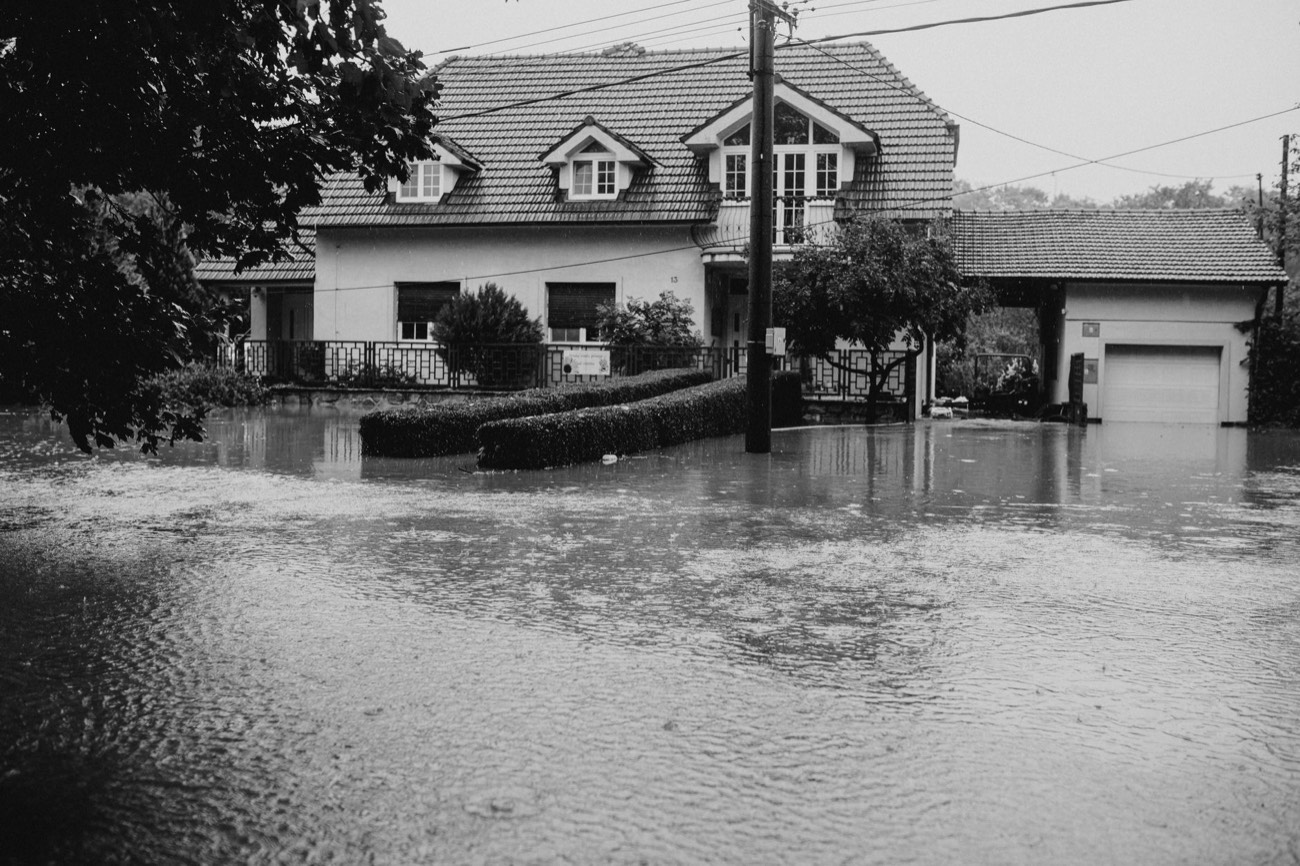
This distinction decides more burst-pipe disputes than any other. If water entered from outside (rising water, storm surge, overwhelmed drainage), it’s a flood — and a standard homeowners policy doesn’t cover it no matter how sudden. A burst supply line inside your wall is the opposite: interior, sudden, and normally covered. When you report the loss, describe the source precisely, because the label the insurer assigns drives everything that follows.
Payout: ACV vs. RCV matters here too
Water claims often involve replacing flooring, drywall, and contents, so your settlement basis shapes the check. On an actual cash value policy, the insurer depreciates those materials and belongings; on replacement cost, you get more, often as a first ACV check with the depreciation released after you complete and prove the repairs. Understand which applies to you — read actual cash value vs. replacement cost before accepting an offer.
What to do if the claim is denied or underpaid
If the insurer denies a sudden burst as “gradual,” or accepts it but underpays:
- Get the reason in writing and the exact excluded provision.
- Rebut with your plumber’s cause statement and maintenance records showing the plumbing was sound.
- Dispute the amount via the appraisal clause if coverage is accepted but the figure is too low.
- Escalate a wrongful denial through a Department of Insurance complaint.
Preventing the next burst-pipe claim
Because freeze-burst and sudden pipe failures are among the most common and expensive home water losses, a little prevention protects both your home and your insurability — repeat water claims are exactly what drives insurers to non-renew, as covered in can your insurer drop you after a claim?. Sensible steps:
- Keep heat on in winter. Maintain a reasonable minimum temperature even when away, and open cabinet doors to let warm air reach pipes on exterior walls during cold snaps.
- Insulate vulnerable pipes. Pipes in attics, crawl spaces, garages, and exterior walls are the ones that freeze first.
- Know your main shutoff. Being able to kill the water in seconds turns a catastrophe into a manageable loss.
- For long absences, shut off and drain the water supply, or use a smart water-leak sensor and automatic shutoff.
- Replace aging plumbing proactively. Old galvanized or failing supply lines are ticking clocks; replacing them on your schedule beats a burst at 2 a.m.
These steps also strengthen any future claim: a home you demonstrably maintained and heated is much harder for an insurer to deny on freeze-exclusion or neglect grounds.
The bottom line
A burst pipe is usually covered — but only when it’s sudden and accidental, only when freeze losses involved reasonable care, and never when the water is a flood or a slow leak you let run. Mitigate fast, document before you clean up, get a plumber’s written cause opinion, and confirm your settlement basis. If a genuinely sudden burst gets branded “gradual,” don’t accept it — rebut it with evidence and escalate.